




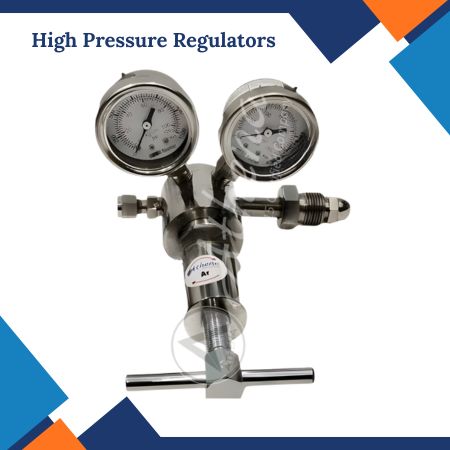
Pressure control failures often lead to gas leaks, equipment stress and production losses. In industries handling compressed gases, stable outlet pressure is not optional. It directly affects process safety, product quality and workforce protection. High Pressure Regulators act as the silent control point between stored energy and controlled usage. When chosen and handled correctly, they support safe plant operations across oil and gas, chemical processing, pharmaceuticals and power generation.
For Indian manufacturing plants and laboratories, the demand for dependable pressure control has grown with higher automation, stricter safety norms and rising gas purity needs. This guide explains High Pressure Regulators in a clear and practical manner, using field relevant examples and manufacturer level insights from Athena Instruments.
Why pressure control matters in industrial gas systems
Compressed gases such as nitrogen, oxygen, argon and hydrogen carry stored energy. Without proper pressure reduction, downstream equipment faces sudden load variations. This often leads to seal damage, inaccurate flow delivery and unsafe working conditions.
High pressure regulator for industrial applications performs three essential functions:
- Reduces inlet pressure to a usable outlet range
- Maintains stable pressure despite inlet fluctuations
- Protects downstream systems from sudden pressure rise
According to manufacturers, most regulator related failures originate from wrong selection rather than product defects. This makes technical understanding essential before purchase.
How High Pressure Regulators operate inside industrial pipelines
Understanding the high pressure regulator working principle helps plant teams detect early warning signs and select correct configurations.
Step by step internal operation
- High pressure gas enters the inlet port from the cylinder or pipeline
- The pressure acts against a sensing element such as a diaphragm or piston
- A spring applies opposing force based on the set outlet pressure
- When outlet pressure drops, the valve opens to allow gas flow
- When outlet pressure rises, the valve closes to restrict flow
This balance between spring force and gas pressure keeps the outlet pressure stable even when inlet pressure varies widely.
Diaphragm based vs piston based sensing
| Parameter | Diaphragm type | Piston type |
| Pressure sensitivity | High | Moderate |
| Gas purity handling | Suitable | Limited |
| Pressure range | Low to medium high | Very high |
| Maintenance | Easier | Requires skilled handling |
Athena Instruments offers both designs depending on gas type, pressure range and purity needs.
Single stage vs dual stage high pressure regulator
This comparison plays a major role in industrial selection.
Single stage regulators
Single stage models reduce pressure in one step. Outlet pressure changes as inlet pressure drops.
Suitable use cases:
- Short duration processes
- Stable inlet supply
- General manufacturing plants
Dual stage regulators
Dual stage models reduce pressure in two controlled steps. Outlet pressure remains steady even as inlet pressure reduces.
Suitable use cases:
- Analytical laboratories
- Pharmaceutical production
- Gas chromatography systems
| Feature | Single stage | Dual stage |
| Outlet stability | Moderate | Very stable |
| Cost | Lower | Higher |
| Gas savings | Lower | Better |
| Precision use | Limited | Preferred |
Industrial sectors using High Pressure Regulators
- Oil and gas operations
High pressure regulator for oil and gas industry controls fuel gas lines, testing rigs and calibration systems. Materials must tolerate pressure cycles and corrosive exposure.
- Chemical processing plants
Chemical plants require pressure regulators that handle reactive gases without internal contamination. Stainless steel bodies and leak tight designs are standard.
- Power generation facilities
Power plants depend on stable pressure delivery for turbine controls, burner systems and auxiliary gas lines.
- Pharmaceutical production units
High pressure regulator for pharmaceutical industry supports sterile processes and gas blanketing. Clean internal finishes and precise pressure control are mandatory.
- Manufacturing plants
High pressure regulator for manufacturing plants supports welding, heat treatment and inert gas shielding operations.
- Hydrogen gas systems
Hydrogen handling demands regulators with tight sealing, hydrogen compatible materials and strict safety testing.
How to choose the right pressure regulator for industrial use
This selection guide helps procurement teams avoid mismatch errors.
Step based selection method
Step 1: Identify inlet pressure range
Check maximum cylinder or pipeline pressure.
Step 2: Define outlet pressure requirement
Identify working pressure needed by downstream equipment.
Step 3: Match gas type
Nitrogen, oxygen, argon and hydrogen require different material compatibility.
Step 4: Determine flow rate
Select a regulator with adequate flow capacity.
Step 5: Decide stage type
Choose between single stage vs dual stage high pressure regulator.
Step 6 Check safety certifications
Confirm ISO standards for pressure regulators.
Athena Instruments technical teams assist industries during this selection stage to avoid later operational issues.
High pressure regulator safety standards followed in industry
Safety compliance protects both equipment and personnel.
Common safety standards applied
- ISO standards for pressure regulators
- Industrial pressure regulator safety guidelines
- Leak tightness testing norms
- Material traceability standards
According to manufacturers, regulators installed without safety relief devices face higher failure risk during pressure surges.
Safety practices during installation
- Use correct torque on fittings
- Avoid mixed gas service usage
- Install pressure relief valves where needed
- Conduct leak testing after installation
Maintenance checklist for high pressure regulators
Regular inspection increases service life and reduces shutdowns.
Routine maintenance schedule
| Activity | Frequency |
| Visual inspection | Weekly |
| Leak testing | Monthly |
| Seat and diaphragm check | Quarterly |
| Calibration verification | Half yearly |
| Full service | Annually |
Signs that indicate servicing is required
- Outlet pressure drift
- Gas leakage at bonnet area
- Difficulty in pressure adjustment
- Unstable downstream pressure
Athena Instruments provides servicing support and genuine spare parts to maintain long term regulator performance.
Common errors during regulator usage
Avoiding these mistakes prevents system damage.
- Using oxygen regulators for other gases
- Ignoring maximum inlet pressure rating
- Skipping periodic inspection
- Over tightening outlet connections
Manufacturers report that improper handling causes more failures than material defects.
Why Athena Instruments is a preferred solution provider
Athena Instruments manufactures high pressure regulator for industrial applications suited for Indian operating conditions. Designs focus on safety, durability and stable pressure output.
Reasons industries select Athena Instruments:
- Industry tested regulator designs
- Material compatibility for industrial gases
- Local technical support and service availability
- Compliance with industrial safety norms
Final Thoughts
High Pressure Regulators remain a foundational component in safe industrial gas handling. Selection based on application, safety compliance and maintenance planning directly affects plant reliability. With proper understanding and manufacturer support, industries can achieve stable operations without unexpected pressure related issues.
Athena Instruments continues to support Indian industries with regulator solutions built for long term performance, safety and operational consistency.
FAQ
Q1. How do High Pressure Regulators maintain constant outlet pressure?
Answer: They balance spring force against downstream pressure using diaphragm or piston mechanisms that open or close the valve automatically.
Q2. Which industries require dual stage high pressure regulators?
Answer: Pharmaceutical production, laboratories and analytical systems require dual stage models due to stable pressure needs.
Q3. How often should a high pressure regulator be serviced?
Answer: Visual checks weekly and complete servicing annually support stable operation.
Q4. Are high pressure regulators suitable for hydrogen gas?
Answer: Yes, when manufactured with hydrogen compatible materials and tested sealing systems.
Q5. What safety standards should a regulator follow?
Answer: ISO standards for pressure regulators and industrial pressure regulator safety guidelines are commonly followed.